Computer System Integration Methods: A Comprehensive Guide to System Integration and Maintenance
Computer system integration is a critical process in modern information technology, involving the combination of various hardware, software, and network components into a cohesive, functional whole. The English term for this field is "Computer System Integration and Maintenance," which encompasses both the initial assembly of systems and their ongoing upkeep. This article explores the key methods, principles, and best practices in system integration and maintenance.
Understanding System Integration
System integration refers to the process of linking different computing systems and software applications physically or functionally to act as a coordinated unit. The primary goal is to ensure that all subsystems work together seamlessly to achieve the overall objectives of the organization. Common integration methods include:
- Vertical Integration: This involves integrating subsystems according to their functionality by creating "silos" of dedicated, task-specific systems. While simpler to implement, it can lead to data isolation.
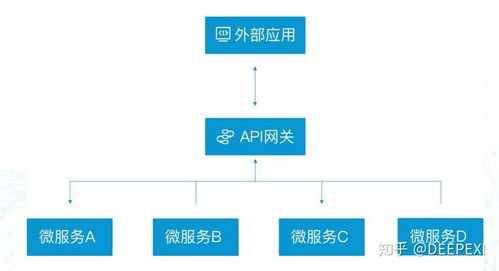
- Horizontal Integration (Enterprise Service Bus - ESB): This method uses a single, unified interface to connect various systems, promoting data sharing and communication across departments. It is more complex but offers greater scalability and flexibility.
- Star Integration: Also known as point-to-point integration, each system is interconnected with every other system. This can become unmanageable as the number of systems grows.
- Common Data Format Integration: Systems are integrated by standardizing data formats (like XML or JSON), allowing them to communicate despite different internal structures.
Key Phases in System Integration
The integration process typically follows several phases:
- Planning and Analysis: Assessing requirements, existing infrastructure, and defining integration objectives.
- Design: Creating a detailed architecture for how components will interact.
- Implementation: Physically and logically connecting components, often involving custom coding, API usage, or middleware.
- Testing: Rigorously verifying that all integrated parts function correctly together.
- Deployment: Rolling out the integrated system into the live environment.
- Maintenance and Support: Ongoing monitoring, updates, and troubleshooting.
System Maintenance: Ensuring Longevity and Performance
Maintenance is an ongoing process crucial for the health of any integrated system. It includes:
- Corrective Maintenance: Fixing defects and failures as they arise.
- Adaptive Maintenance: Modifying the system to accommodate changes in the environment, such as new hardware or software regulations.
- Perfective Maintenance: Enhancing system performance or adding new features based on user feedback.
- Preventive Maintenance: Proactively monitoring and servicing the system to prevent future problems, including regular backups, security patches, and performance tuning.
Best Practices for Successful Integration and Maintenance
1. Clear Requirements Definition: Start with a thorough understanding of business needs.
2. Modular Design: Use modular components to simplify integration and future upgrades.
3. Standardization: Employ industry standards for protocols, data formats, and interfaces.
4. Comprehensive Documentation: Maintain detailed records of architecture, code, and procedures.
5. Robust Testing: Implement continuous testing throughout the lifecycle.
6. Skilled Personnel: Ensure the team has expertise in both integration techniques and maintenance protocols.
7. Security Focus: Integrate security measures at every layer to protect data and systems.
8. Scalability Planning: Design systems with future growth in mind.
Tools and Technologies
Modern system integration often relies on:
- Middleware: Software like message brokers or ESBs that facilitate communication between applications.
- APIs (Application Programming Interfaces): Especially RESTful APIs, which allow different software components to interact.
- Cloud Integration Platforms: Services provided by cloud vendors (like AWS, Azure, or Google Cloud) that offer tools for connecting diverse systems.
- Containerization: Using technologies like Docker and Kubernetes to package and deploy integrated applications consistently.
Conclusion
Computer system integration and maintenance form the backbone of reliable, efficient IT infrastructures. By employing structured methods—whether vertical, horizontal, or hybrid models—and committing to diligent maintenance practices, organizations can build systems that are not only functional at launch but also adaptable and durable over time. The English terminology, "Computer System Integration and Maintenance," aptly captures this dual focus on both creation and sustained operation, which is essential in our rapidly evolving digital landscape.
如若轉載,請注明出處:http://m.liudaliuda.cn/product/78.html
更新時間:2026-02-24 12:46:52